
Recent Form Analysis
Colwyn Bay, known affectionately as The Seagulls, have shown flashes of brilliance in their recent performances, yet consistency remains a challenge. With their home ground, the Four Crosses Construction Arena, echoing with the support of passionate fans, the team has occasionally struggled to convert promising positions into victories. The blend of youthful exuberance and seasoned experience in their squad offers a solid foundation, but tactical tweaks could propel them further up the league table.
Formation Insights
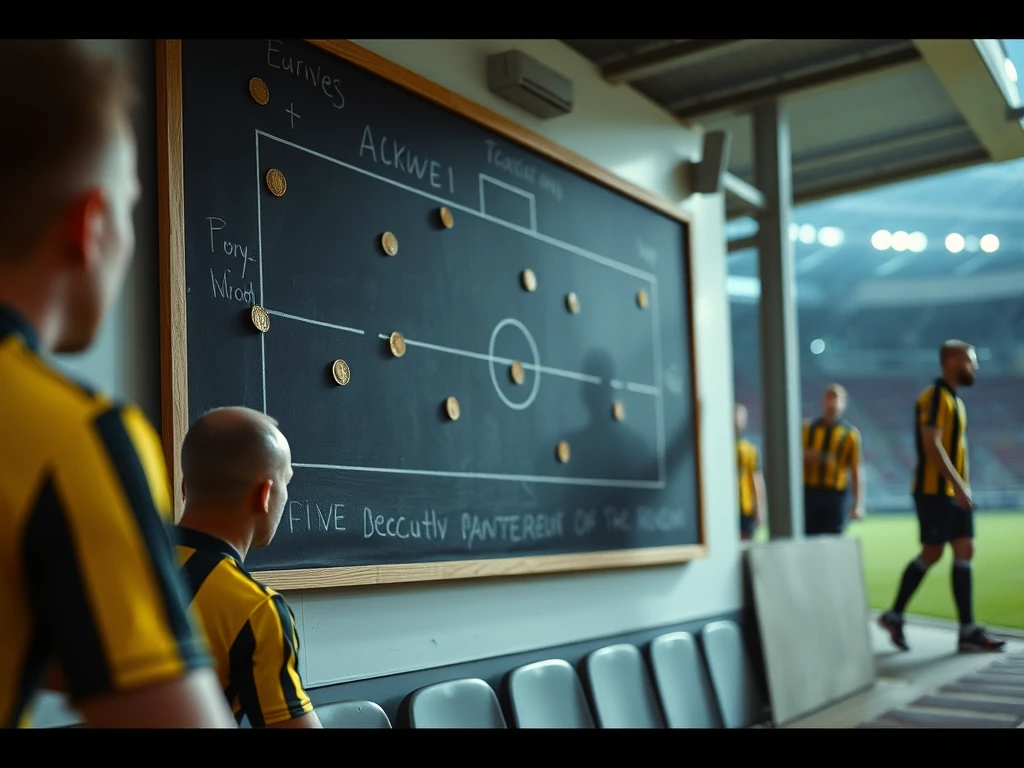
Currently, Colwyn Bay predominantly employs a 4-2-3-1 formation, which has allowed them to maintain a solid defensive structure while providing support for their attacking plays. However, recent matches have revealed vulnerabilities, particularly in the transition phases-losing possession too easily in midfield and allowing opponents to exploit gaps in defence. Shifting to a more dynamic 4-3-3 formation could enhance their midfield presence, providing additional support for both defence and attack while ensuring better possession retention.
Midfield Dynamics
In their most recent encounters, the midfield has been pivotal, yet the roles of certain players could be adjusted to maximize effectiveness. While Elliott Bullock has been a key figure, introducing a more aggressive box-to-box midfielder could help in reclaiming possession and driving the team forward. This player would complement Bullock's playmaking abilities, creating a more balanced midfield that can both defend and support the attack effectively.
Wing Play and Width
Another area for potential improvement is the use of width in attacking play. The Seagulls have shown an inclination to play through the centre, which, while effective at times, can also make them predictable. Encouraging the wingers to stretch the pitch could open up space for central players, allowing for more creative attacking patterns. This change would not only provide more options in the final third but also help to stretch opposition defences, creating opportunities for overlapping full-backs.
Defensive Adjustments
Defensively, the backline has faced scrutiny, often leaving gaps that opposing forwards have exploited. A more compact defensive shape, particularly during counter-attacks, is essential. Encouraging the centre-backs to engage opponents earlier and communicate more effectively with the full-backs can help mitigate these issues. Additionally, integrating a defensive midfielder who can act as a shield in front of the backline would provide extra security during transitions.
Conclusion
As Colwyn Bay gears up for the challenges ahead in the Cymru Premier, the potential for tactical refinement is palpable. By considering slight adjustments to their formation, midfield dynamics, wing play, and defensive organization, The Seagulls can bolster their chances of securing vital points in upcoming fixtures. With the right tweaks, Colwyn Bay could not only improve their league standing but also provide their loyal supporters with the thrilling football they crave.