 Colwyn Bay Hub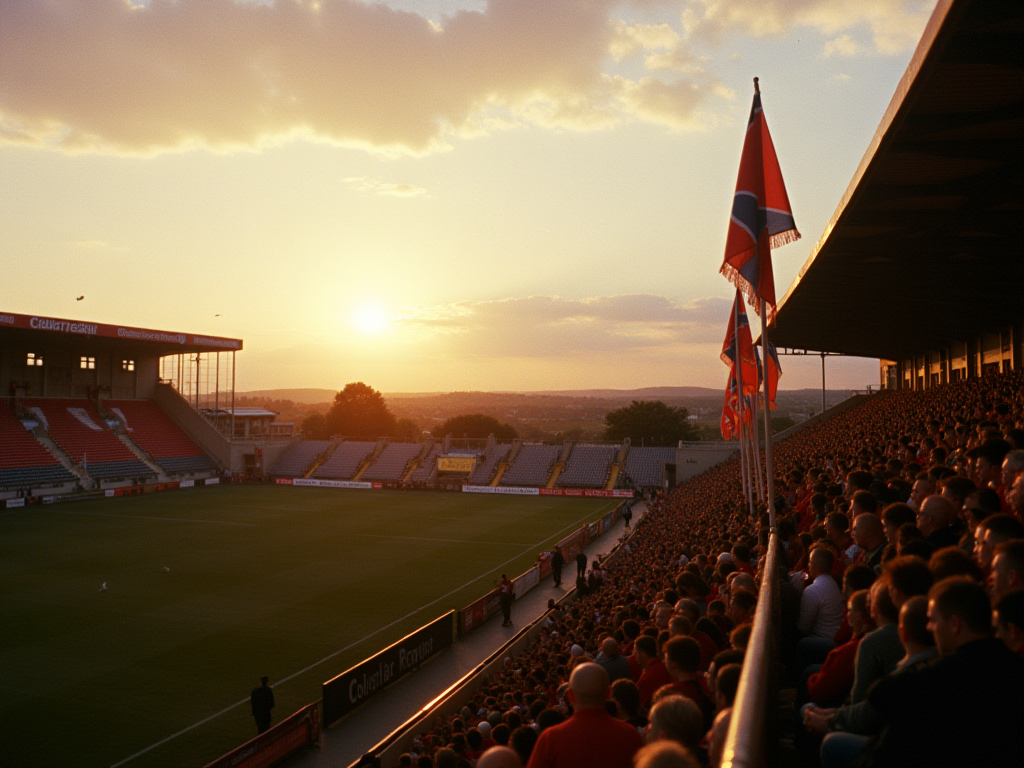
In the annals of Colwyn Bay FC, certain periods shine brighter, etched into the collective memory of the Seagulls faithful not just for on-pitch heroics, but for sheer grit and unwavering principle. One such chapter, perhaps the most defining in our modern history before our eventual return to the Welsh pyramid, unfolds in the early 1990s, a time when the club found itself caught in a storm of national football politics: the infamous Article 9.1 saga.
The Football Association of Wales, in its wisdom, mandated that all Welsh clubs competing in the English pyramid must join the newly formed League of Wales, or face dire consequences. For clubs like ours, who had built a reputation and forged rivalries across the border for decades, this was a philosophical and practical crossroads. Colwyn Bay, like several other proud Welsh outfits, chose to stand firm. We believed our identity, our progress, and our heart lay in the English non-league system where we had climbed the ranks. The Llanelian Road faithful had grown accustomed to battling clubs from across the border, and we weren't about to abandon that heritage easily.
The repercussions were swift and severe. Deemed an 'outlaw' club by the FAW, Colwyn Bay was effectively banned from playing 'home' matches on Welsh soil. Imagine the shockwaves this sent through Bae Colwyn! Our beloved Four Crosses Construction Arena – then, of course, simply Llanelian Road – lay silent for our 'home' fixtures. It was a hammer blow, financially and logistically, but the spirit of the Seagulls refused to be broken.
Suddenly, our home games became pilgrimages. The team, often with the same dedicated supporters following every mile, were forced to play our designated 'home' matches at various grounds across the border in England. Victoria Stadium, home of Northwich Victoria, became a temporary, surrogate home for a spell. It was a bizarre, unsettling existence, a testament to the extraordinary lengths the club and its supporters would go to uphold their conviction. Imagine the away trips, week in, week out, just to get to a 'home' match! It was a testing time for every volunteer, every player, and every single soul who bled blue and white.
Yet, through it all, a defiant pride blossomed. The Seagulls faithful proved their mettle, turning out in numbers, bringing the spirit of Llanelian Road to whatever ground would host us. Banners were unfurled, chants rang out, and the sense of community only deepened. This wasn't just about football; it was about standing up for what you believed in, about preserving the unique path Colwyn Bay had carved for itself. This period, though fraught with challenges, forged an unbreakable bond between the club and its loyal following.
While the legal battles raged on and the 'exile' eventually ended (for a time, at least, allowing us to return to Llanelian Road to play our English league games), that era of defiance against Article 9.1 remains a powerful reminder of Colwyn Bay's enduring character. It wasn't about silverware or promotions; it was about the club's very soul, its resolve to determine its own destiny. It’s a story we should always tell, a testament to the indomitable spirit of the Seagulls, a proper football club through and through.